
Training record
Demo soldier 0417 Demonstration data
- Paper target, 25 m38 mm group
- GSIMS simulator8 of 10
- Steel targets, 100 m6 of 8
- Electronic target, 300 m46.2
- Laser target0.41 s
- Shooting game3 of 12
A soldier’s training record should follow them, not stay locked in separate systems.
Aimlink automatically captures shooting results from simulators such as GSIMS, electronic target systems, and paper and steel targets, and brings them into a single shooting log. Instructors spend less time on manual reporting, and leadership gets the data to balance training doctrines.
The goal: better training outcomes at a lower cost.
Soldiers train across ranges and simulators, but each system keeps its own results.
Separate target systems make it hard to keep one continuous history, and instructors collect results and assemble documentation by hand.
Defence organisations that invest in new training solutions need a unified view of performance, and leadership needs evidence of outcomes and costs before it changes the balance of training. In conversations, DALO pointed to pressure on range capacity, simulator access and instructor time.
DKK 1.1bn
Defence plans to lower its cost of live and blank ammunition, with an efficiency contribution of DKK 1.1bn for 2026-2033. Aimlink captures training data automatically during exercises and structures it for analysis, so organisations can refine doctrine, measure effectiveness and track costs.
Aimlink brings scattered shooting results together into one performance history for each shooter. That history feeds skill development, performance analysis and reporting, whether the results come from paper, steel, electronic or laser targets, shooting games or simulators.
Demo soldier 0417 Demonstration data
Assess training outcomes alongside consumption and cost, and build evidence for reductions while keeping required standards.
Automate collection and reporting so instructors spend less time assembling records.
Compare activity and documented outcomes across training programmes.
Shooters also get real-time performance feedback, AI-based training fundamentals for new shooters, and gamification features.
Ammunition savings are a value hypothesis that we are validating with customers.
Aimlink works with target and simulator makers such as Kongsberg and GSIMS instead of competing with them, and its knowledge grows with every system connected.
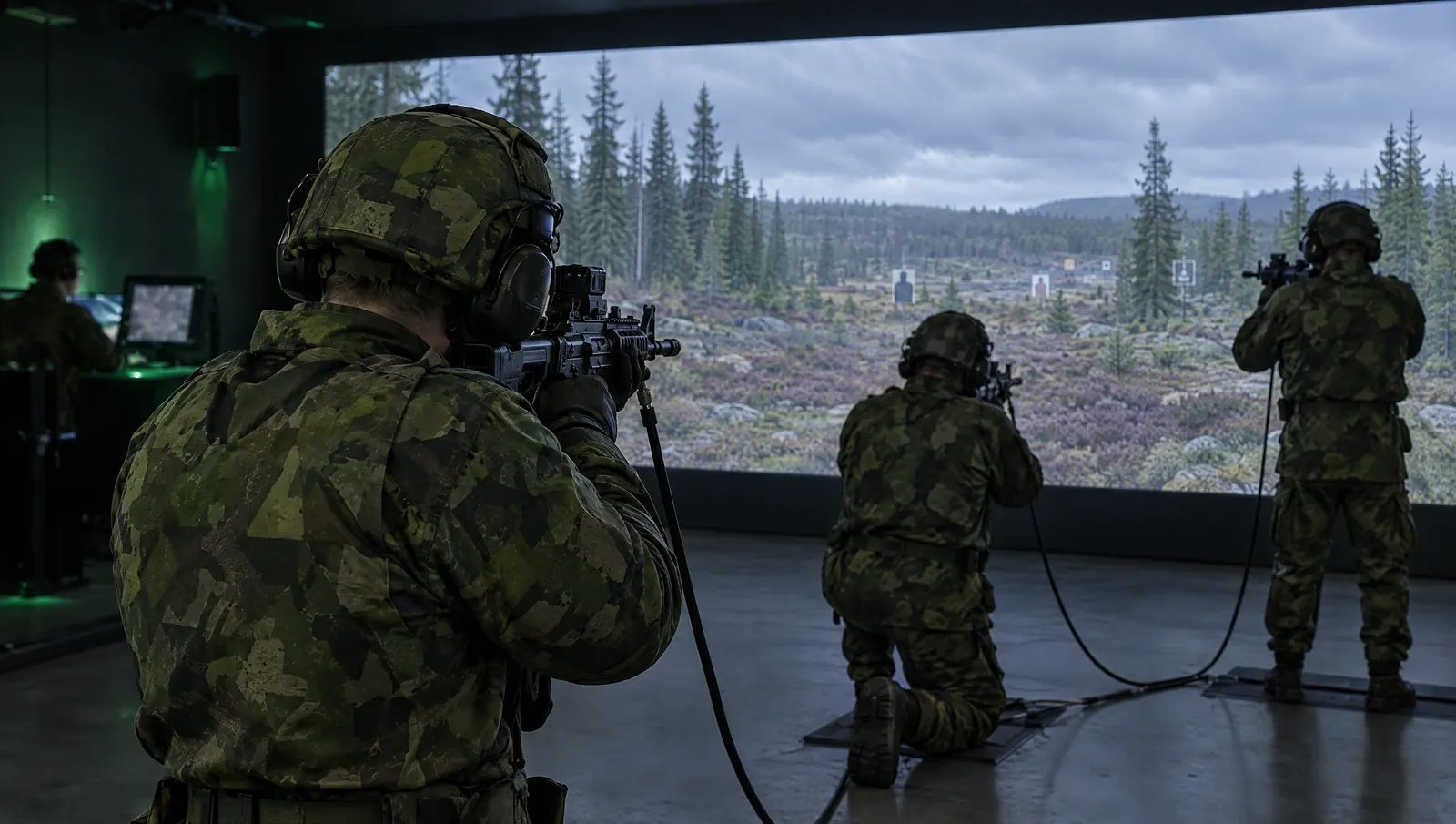
Camera-based shot recording for paper targets, combined with data from GSIMS simulators and electronic target systems such as Kongsberg.
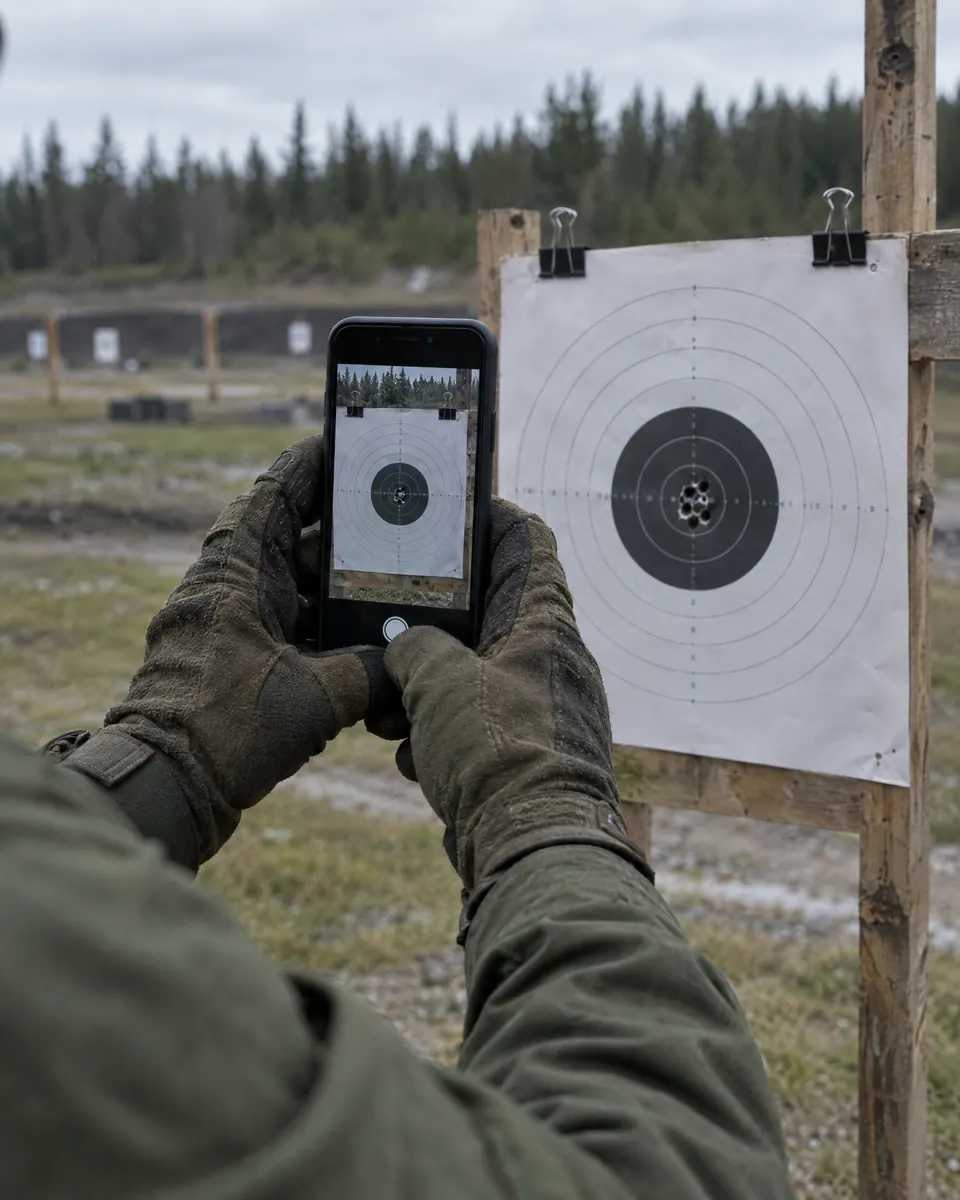
An automatic shooting log that follows the shooter across sessions, solutions and equipment.
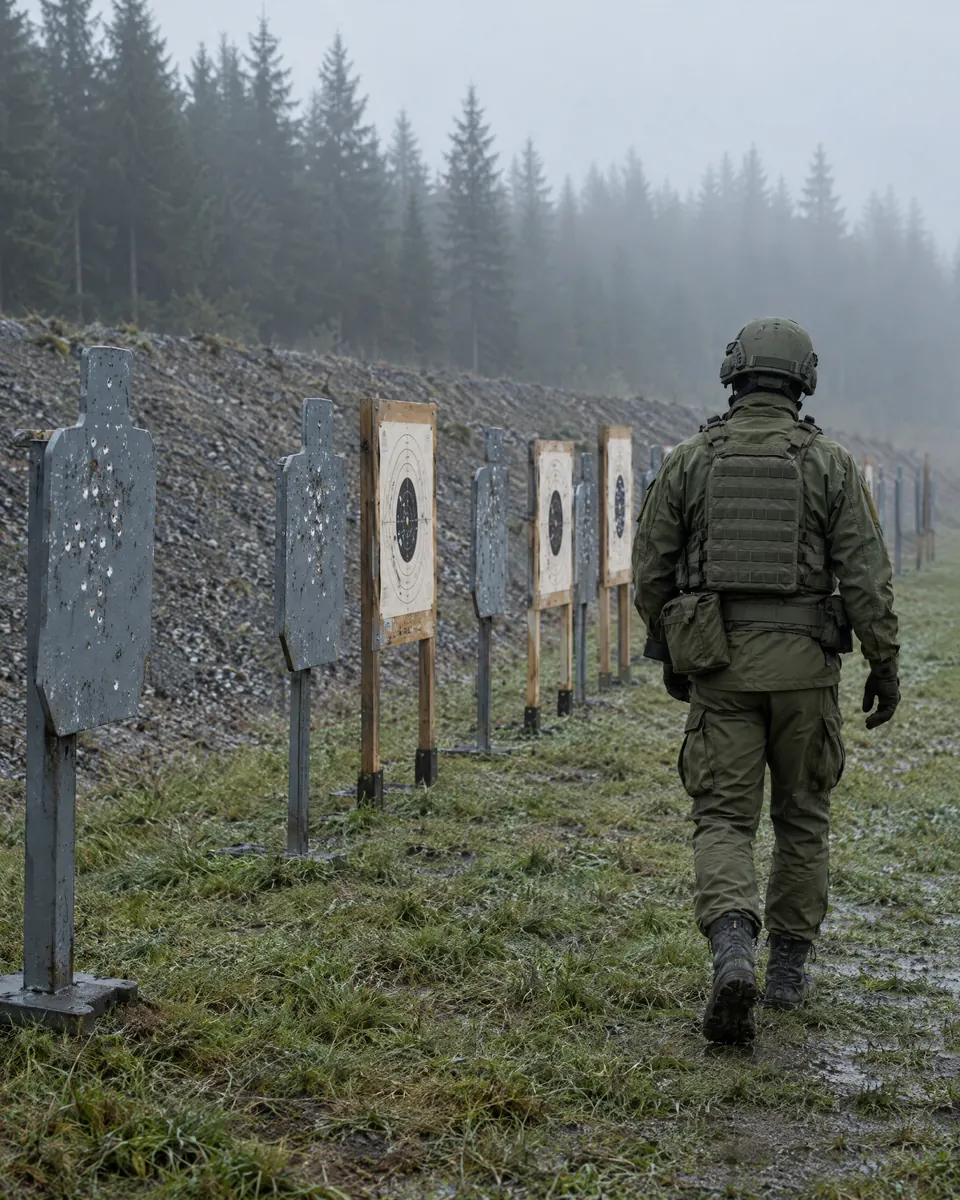
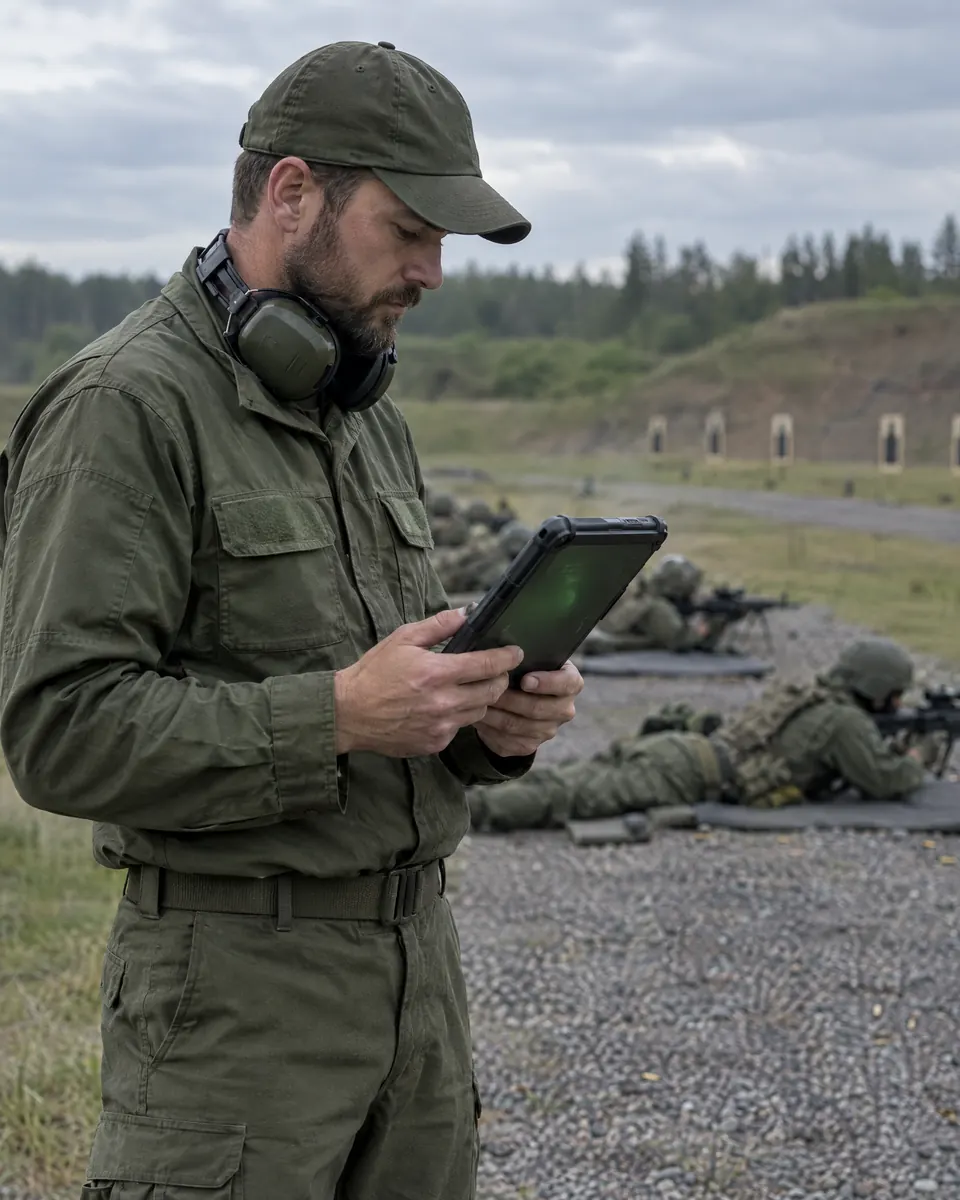
Image and pattern analysis produces insights. Aggregated data lets instructors evaluate training programmes and gives shooters instant individual feedback.
6co-founders
Six co-founders have launched a civilian product on iOS and Android. The team brings cybersecurity experience, product development and military insight. Defence-specific deployment and simulator integration are the next validation stage.
See the civilian appFor a customer-validated defence version:
We agree on one use case and the systems whose data can be accessed and compared.
We define customer control, permitted uses, access rights and retention requirements.
We assess hosting, connectivity and local operation.
We document data completeness, operating limitations and the evidence needed for acceptance.
Partners give Aimlink access to target systems, and DALO gave a first view of defence demand. The conversations pointed to constraints on:
Training stakeholders were interested in shooter history and in aggregated cross-system data, both for judging doctrine effectiveness and for evaluating cost programmes.
The next step is to turn these technical relationships into repeatable integration and distribution agreements.
Founders and investors have funded the product so far. Aimlink has converted to A/S, established a board and secured DKK 4.0m in pre-seed financing. The plan runs in stages over 6 to 18 months, toward a reference installation.
DKK 4.0m
Funded civilian productPre-seed financing6-18months
Staged validationThe plan runs in stagesWe measure:
The photographs on this page are AI-generated illustrations of military training, not Danish Defence personnel, units or customers. Record entries and system results are demonstration data. DALO, Kongsberg and GSIMS are named as conversation partners and system makers; no endorsement is implied.